
Transform Your Health with Balanced Nutrition
Discover the science and practice of eating well every single day. Learn how proper nutrition fuels your body, sharpens your mind, and builds lasting wellness habits that fit your lifestyle.
- Evidence-based nutritional guidance tailored to modern living
- Practical meal planning strategies that actually fit your schedule
- Articles and resources covering every aspect of balanced eating

Why Balanced Eating Matters
The foundation of good health starts with understanding nutrition. Here's what balanced eating brings to your life:
Heart Health
Proper nutrition strengthens cardiovascular function and supports long-term heart wellness.
Mental Clarity
Balanced meals fuel cognitive function, improve focus, and support emotional wellbeing daily.
Sustained Energy
Eating well maintains stable energy levels throughout your day, reducing fatigue and crashes.
Body Strength
Nutrient-dense foods build and maintain muscle, bone density, and overall physical resilience.
Essential Food Groups for Daily Balance
Understanding what to eat is the first step. Learn how each food group plays a vital role in your nutrition.

Proteins
Essential for building and repairing tissues, muscles, and supporting immune function. Include varied sources: lean meats, fish, eggs, beans, nuts, and legumes.
- Supports muscle growth and repair
- Produces enzymes and hormones
- Boosts satiety and reduces cravings

Carbohydrates
Your body's primary energy source. Focus on complex carbs from whole grains, vegetables, fruits, and legumes rather than refined options.
- Provides sustained energy
- Supports brain function and mood
- Rich in fibre for digestive health

Healthy Fats
Essential for hormone production and nutrient absorption. Prioritise unsaturated fats from olive oil, avocados, nuts, fish, and seeds.
- Supports brain and heart health
- Aids absorption of vitamins
- Promotes satiety and flavor

Vegetables
Packed with vitamins, minerals, and antioxidants. Aim for variety in colours—each colour offers different nutrients and protective compounds.
- Abundant in fibre and micronutrients
- Low calorie, high satiety
- Supports disease prevention

Fruits
Natural sources of vitamins, minerals, and natural sugars. Include whole fruits rather than juices to maximize fibre intake and nutrient benefits.
- Rich in antioxidants and vitamins
- Natural sweetness without refined sugar
- Supports digestive and heart health

Dairy & Alternatives
Important for calcium and bone health. Choose lower-fat options like yoghurt, cheese, or fortified plant-based alternatives like soy or oat milk.
- Supports bone strength and density
- Contains probiotics for gut health
- Versatile for various dietary needs
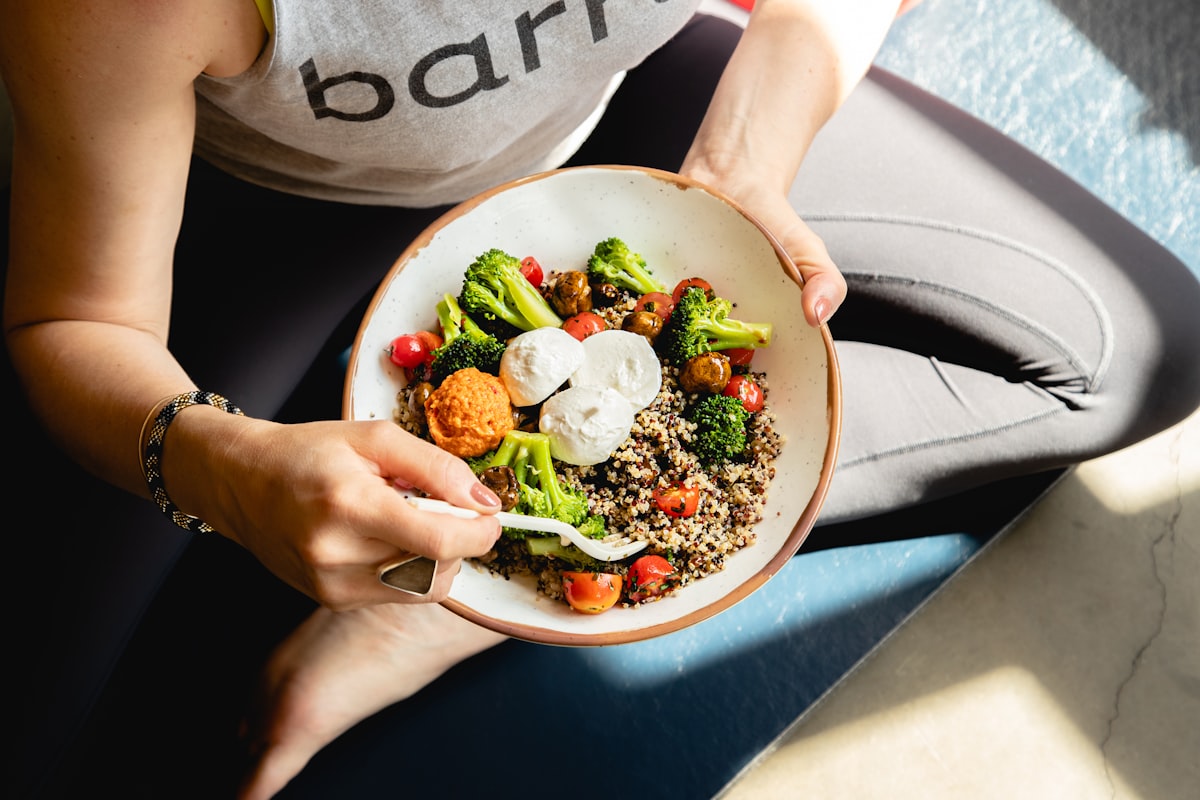
The Science Behind Daily Balance
Balanced nutrition isn't about perfection—it's about understanding how different nutrients work together. When you eat a variety of foods from all food groups, your body receives the full spectrum of vitamins, minerals, amino acids, and other compounds it needs to function optimally.
Nutrient Synergy
Different nutrients enhance each other's absorption. For example, vitamin C helps your body absorb iron, while healthy fats help you absorb fat-soluble vitamins like A, D, E, and K.
Metabolic Efficiency
Balanced meals maintain stable blood sugar, improve insulin sensitivity, and support your metabolism throughout the day. This prevents energy crashes and supports consistent performance.
Long-Term Health
Consistent balanced eating patterns contribute to sustained wellbeing, reduced inflammation, and support for various body systems over time.
Your 5-Step Daily Nutrition Guide
Follow these simple steps to build and maintain balanced eating habits every single day.
Plan Your Meals
Set aside time weekly to plan meals that include all food groups. This reduces stress and helps you make nutritious choices.
Eat Whole Foods
Prioritise natural, minimally processed foods over convenience items. Whole foods deliver more nutrients and support better health outcomes.
Balance Your Plate
Fill half your plate with vegetables, one quarter with lean protein, and one quarter with whole grains or starchy vegetables.
Stay Hydrated
Drink plenty of water throughout the day. Proper hydration supports digestion, energy, and cognitive function.
Practice Mindfully
Eat slowly, savour your food, and listen to your body's hunger and fullness signals for a healthier relationship with eating.
Delicious Balanced Meal Examples
See how easy it is to create nutritious, satisfying meals that fit into your everyday life.

Breakfast: Grain & Protein Bowl
Start your day right with a combination of whole grains, protein, and fresh fruit that provides sustained energy.
Includes: Rolled oats, Greek yoghurt, berries, almonds, honey, cinnamon
Provides fibre, probiotics, antioxidants, and complete amino acids

Lunch: Mediterranean Power Salad
A vibrant, satisfying meal that combines lean protein with plenty of fresh vegetables and healthy fats.
Includes: Grilled chicken, mixed greens, tomatoes, cucumber, olives, feta, olive oil dressing
Rich in lean protein, vitamins, minerals, and heart-healthy fats
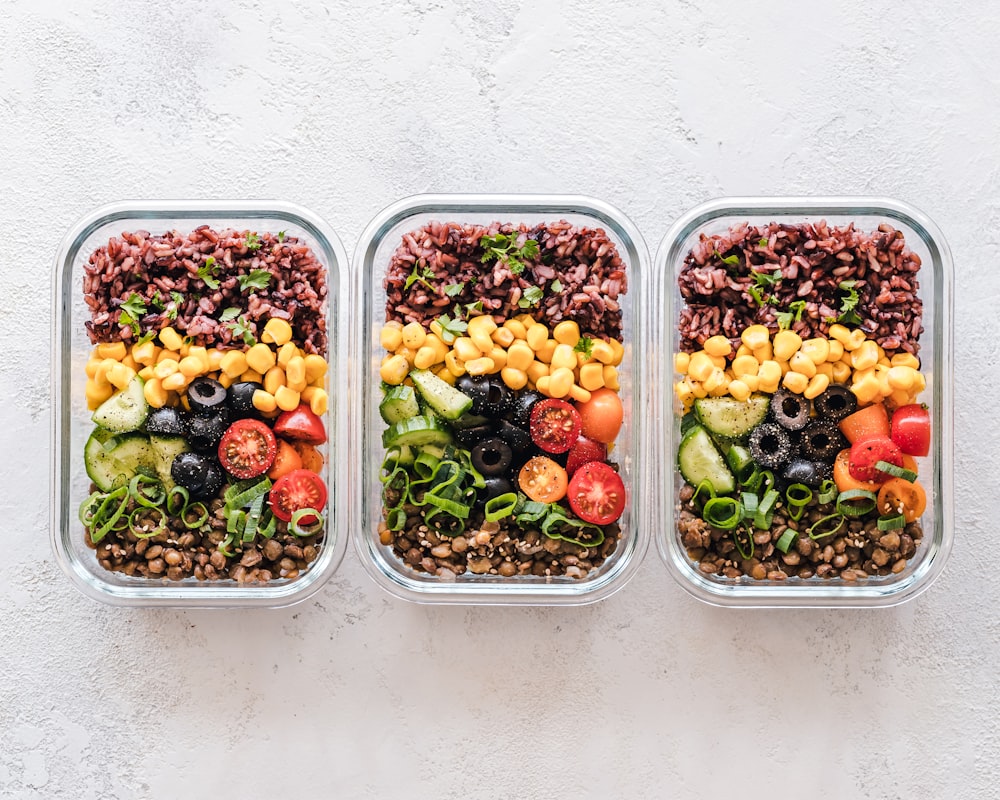
Dinner: Salmon & Vegetables
An elegant yet simple meal that combines omega-3 rich fish with colourful roasted vegetables and complete grains.
Includes: Grilled salmon, quinoa, broccoli, bell peppers, olive oil, lemon
High in omega-3s, plant protein, vitamins, and minerals for optimal recovery
Stories from Real People
Learn how others have benefited from understanding and implementing balanced nutrition into their daily lives.
"The articles on Healthy Eating Habits completely changed how I approach food. I used to skip breakfast and grab whatever was convenient, but learning about nutrient balance showed me how to fuel my body properly. My energy levels are noticeably better, and I've discovered so many delicious meals I never would have tried before."
Sarah Mitchell
London
"As someone with a busy schedule, I thought eating balanced meant complicated meal prep. These resources proved that wrong. The practical guides and simple meal ideas have made it so easy to eat well without spending hours in the kitchen. I feel healthier and more focused than I have in years."
James Edmonds
Manchester
"The science-based approach on this site is refreshing. I appreciate how everything is explained clearly without being overwhelming. Learning about how different nutrients work together has genuinely helped me understand my body better. My digestion has improved, I sleep better, and my concentration at work has noticeably improved."
Emma Richardson
Birmingham
"I've tried countless diet trends, but this resource helped me understand that balanced eating is about harmony, not restriction. The meal examples are actually realistic and delicious. My family has benefited too—we're all eating better and enjoying our meals more. Finally, something that makes sense and is actually sustainable."
David Chen
Bristol
Common Questions About Balanced Eating
Find answers to questions people commonly ask about achieving daily nutritional balance.
A balanced diet typically includes servings from all major food groups: proteins, whole grains, vegetables, fruits, and dairy or alternatives. A simple check is the "plate method"—fill half your plate with vegetables, one quarter with lean protein, and one quarter with whole grains. You should also feel satisfied after meals without feeling overly full, maintain stable energy throughout the day, and experience improved digestion and mood. If you're uncertain, the resources on this site provide detailed guidance tailored to your situation.